The History of the Holy Bible
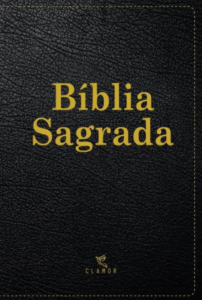
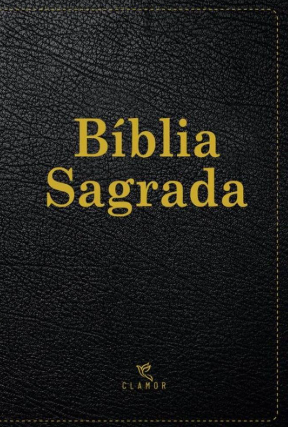
The Holy Bible is a collection of sacred books that holds great significance for millions of people around the world. It covers themes of faith, morality, spirituality, wisdom, and history. Since ancient times, the Bible has guided human life, offering advice, inspiration, and teachings about our relationship with God.
It tells the story of the creation of the world and humanity, shares accounts of faith, sets out moral laws, and recounts the lives of people who trusted God. Most importantly, it reveals the coming of Jesus Christ and the promise of redemption in the New Testament. The Holy Bible is the most read, translated, and influential book in history. Considered the Word of God by Jews and Christians, it guides the faith, ethics, and spirituality of billions, leaving a lasting impact on humanity.
Its influence goes beyond religion. Over the centuries, it has shaped art, literature, music, philosophy, and even politics. From moral teachings to inspiring stories, the Bible has shaped entire societies and continues to be studied and respected worldwide.
How the Holy Bible Was Written
The Bible was written by about 40 different authors over roughly 1,500 years, in three main languages: Hebrew, Aramaic, and Greek. These authors included prophets, kings, religious leaders, fishermen, doctors, and farmers—all guided by God to convey His message.
Despite differences in literary style, historical period, and personal experience, the Bible delivers a unified message about God’s love, justice, faith, redemption, and hope. This variety of writers adds literary richness, including historical narratives, poetry, prophecy, wisdom, letters, and apocalyptic writings.
The apostle Paul summarized the importance of Scripture: “All Scripture is God-breathed and is useful for teaching, rebuking, correcting, and training in righteousness” (2 Timothy 3:16). This shows that, regardless of time or context, the Bible remains relevant and transformative. Every book, chapter, and verse has a purpose: teaching moral principles, strengthening faith, offering hope, or guiding daily decisions.
The Historical and Cultural Importance of the Bible
Historically, the Bible records the journey of the people of Israel and the spread of Christianity. It preserves traditions, genealogies, civil and religious laws, and events that shaped ancient cultures. Studying the Bible also promoted the development of language, literature, and education. Many early schools and libraries in medieval Europe were created to study and copy biblical texts.
Culturally, the Bible influenced literature, painting, sculpture, music, and film. Biblical symbols, metaphors, and stories appear across world literature, guiding writers, poets, and philosophers. Passages like Psalm 23, the Sermon on the Mount, and the story of David and Goliath are widely known, showing the Bible’s universal impact beyond religion.
Types of Literature in the Bible
The Bible contains various literary styles, making it rich and engaging. The Old Testament includes:
- Historical narratives (Genesis, Joshua)
- Poetry and songs (Psalms, Song of Solomon)
- Proverbs and wisdom literature (Proverbs, Ecclesiastes)
- Prophecies (Isaiah, Jeremiah)
New Testament includes:
- The Gospels (Matthew, Mark, Luke, John)
- Acts of the Apostles, describing the spread of Christianity
- Letters of instruction and encouragement (Romans, Ephesians)
- The prophetic book of Revelation
This variety allows the Bible to speak to different people, situations, and learning styles.
The Bible as a Spiritual Guide
For Jews and Christians, the Bible is more than a historical or literary work; it is a source of spiritual guidance. It teaches life principles, ethics, and morality, helping shape character and decisions. Through its stories, we see how God interacts with humanity, offering forgiveness, guidance, and hope. It also inspires reflection on justice, love, mercy, and faith, encouraging readers to live by these values.
Meaning of the Name “Bible”
The word “Bible” comes from the Greek biblia, meaning “books.” Bible is not a single book, but a collection of 66 books (in most Protestant versions), divided into the Old and New Testaments.
The Old Testament has 39 books, telling the story of Israel, its laws, prophecies, poetry, and wisdom. It covers creation, the lives of Abraham, Moses, David, and prophecies about the Messiah. The New Testament has 27 books, focusing on the life, teachings, death, and resurrection of Jesus Christ, and the spread of Christianity by the apostles and early church communities.
Conclusion
The Holy Bible is a literary, historical, and spiritual treasure. Its value goes beyond the stories, offering teachings about life, faith, and humanity’s relationship with God. With books on creation, redemption, wisdom, and hope, it continues to influence millions worldwide.
Reading and studying the Bible helps understand God’s will, learn from the faith of biblical figures, and apply its principles in daily life, making it an eternal and universal guide.
List of Books of the Bible
Old Testament:
Genesis
Exodus
Leviticus
Numbers
Deuteronomy
Joshua
Judges
Ruth
1 Samuel
2 Samuel
1 Kings
2 Kings
1 Chronicles
2 Chronicles
Ezra
Nehemiah
Ruth
Psalms
Proverbs
Ecclesiastes
Isaiah
Jeremiah
Lamentations
Ezekiel
Daniel
Hosea
Joel
Amos
Obadiah
Jonah
Nahum
Habakkuk
Zephaniah
Haggai
Zechariah
Malachi
New Testament:
Matthew
Mark
Luke
John
Acts of the Apostles
Romans
1 Corinthians
2 Corinthians
Galatians
Ephesians
Philippians
Colossians
1 Thessalonians
2 Thessalonians
1 Timothy
2 Timothy
Titus
Philemon
Hebrews
James
1 Peter
2 Peter
1 John
2 John
3 John
Jude
Revelation